fornecedor de garrafas de água
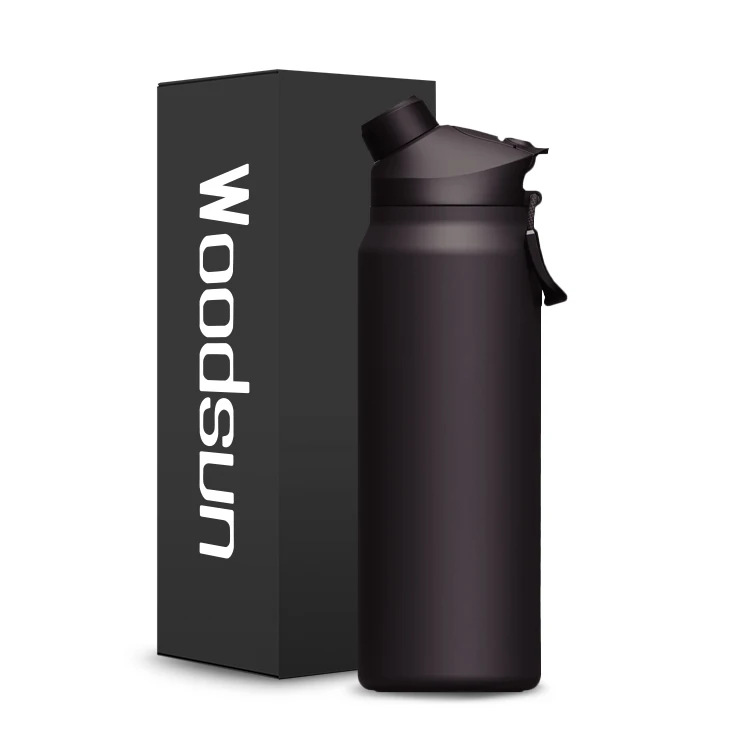
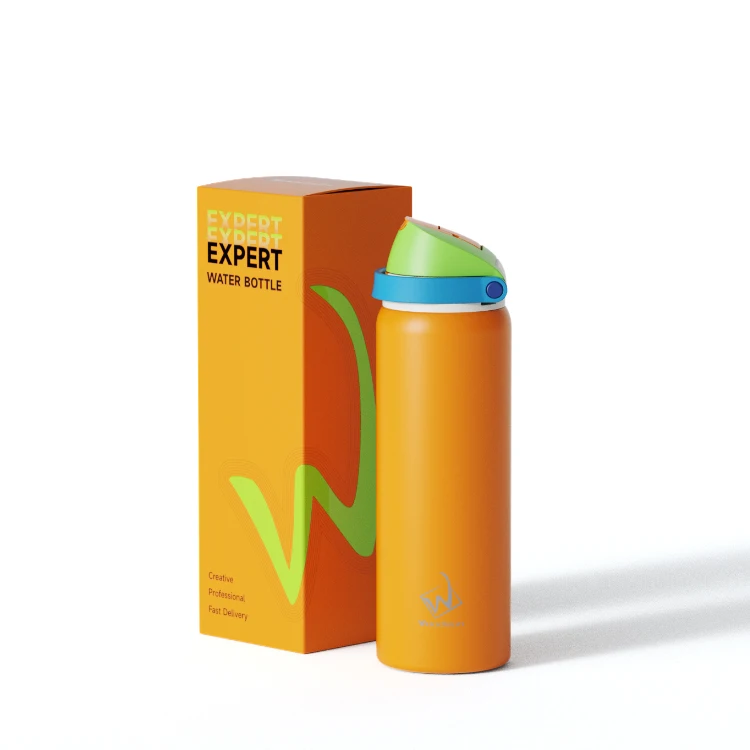
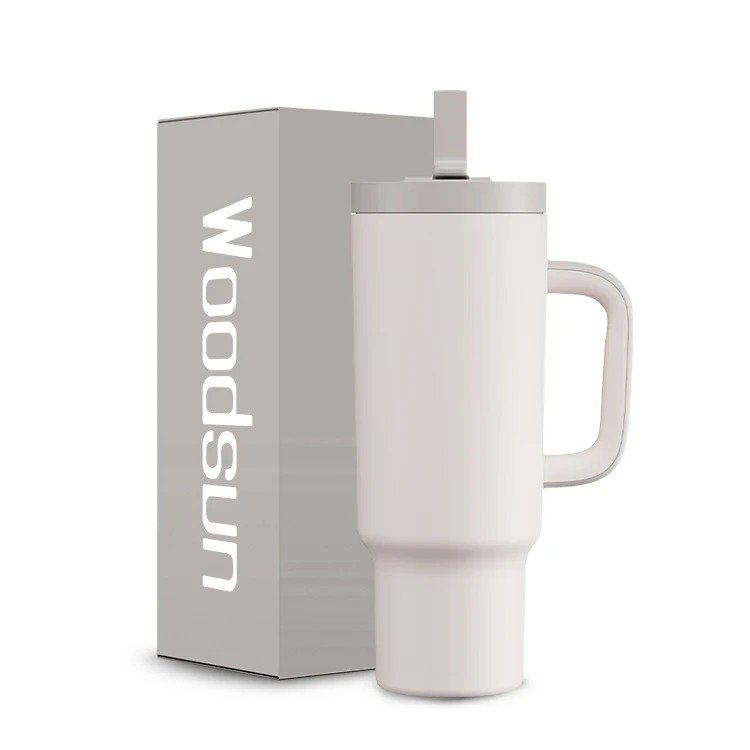
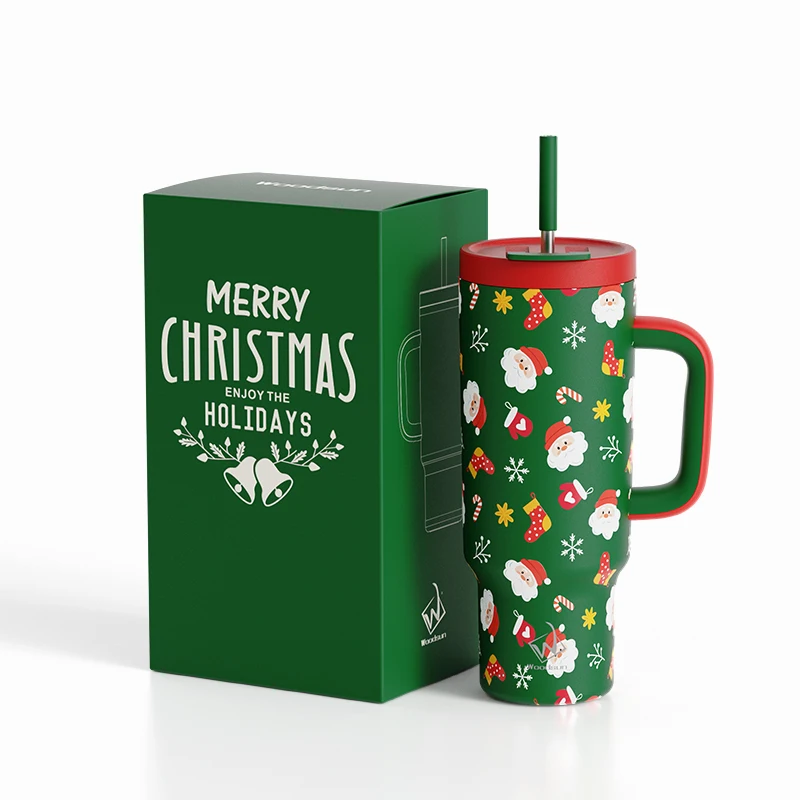
Um fornecedor de garrafas de água atua como um parceiro essencial para empresas e organizações que buscam soluções confiáveis de hidratação para seus clientes, funcionários e eventos. Como fornecedor de garrafas de água, as empresas oferecem uma ampla variedade de produtos, desde garrafas descartáveis básicas até recipientes reutilizáveis premium projetados para diversos fins. As principais funções de um fornecedor de garrafas de água incluem a aquisição de materiais de qualidade, a fabricação de garrafas duráveis e a distribuição eficiente dos produtos para atender à demanda do mercado. Do ponto de vista tecnológico, os fornecedores modernos de garrafas de água incorporam recursos avançados, como tecnologia de isolamento térmico, design ergonômico e processos de fabricação sustentáveis. Atualmente, muitas opções de fornecedores de garrafas de água incluem funcionalidades inteligentes de acompanhamento da hidratação, sistemas de vedação à prova de vazamentos e compatibilidade com diversos tipos de líquidos. Essas inovações garantem que os produtos mantenham a qualidade das bebidas, ao mesmo tempo em que oferecem conveniência aos usuários finais. As aplicações dos produtos de um fornecedor profissional de garrafas de água abrangem múltiplos setores, incluindo programas corporativos de bem-estar, indústrias esportivas e de fitness, instituições educacionais, recreação ao ar livre e serviços de hospitalidade. Seja fornecendo grandes quantidades para fins promocionais ou garrafas especializadas para eventos esportivos, um fornecedor de garrafas de água adapta-se às necessidades específicas de cada cliente. A versatilidade de um fornecedor de garrafas de água torna-o indispensável para organizações que priorizam o bem-estar dos funcionários, a responsabilidade ambiental e a visibilidade da marca por meio de soluções personalizáveis de copos e garrafas.
 EN
EN