Premium Water Bottle Supplier - Bulk Hydration Solutions & Custom Bottle Services

Contact me immediately if you encounter problems!

All Categories

Get a Free Quote

Our representative will contact you soon.
Email
Mobile/WhatsApp
Name
Company Name
Message
0/1000

water bottle supplier

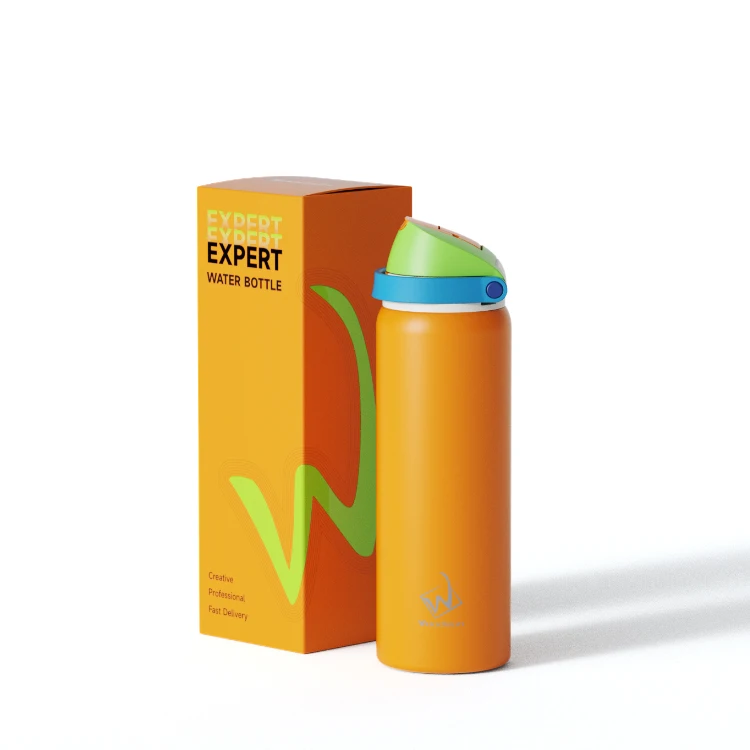
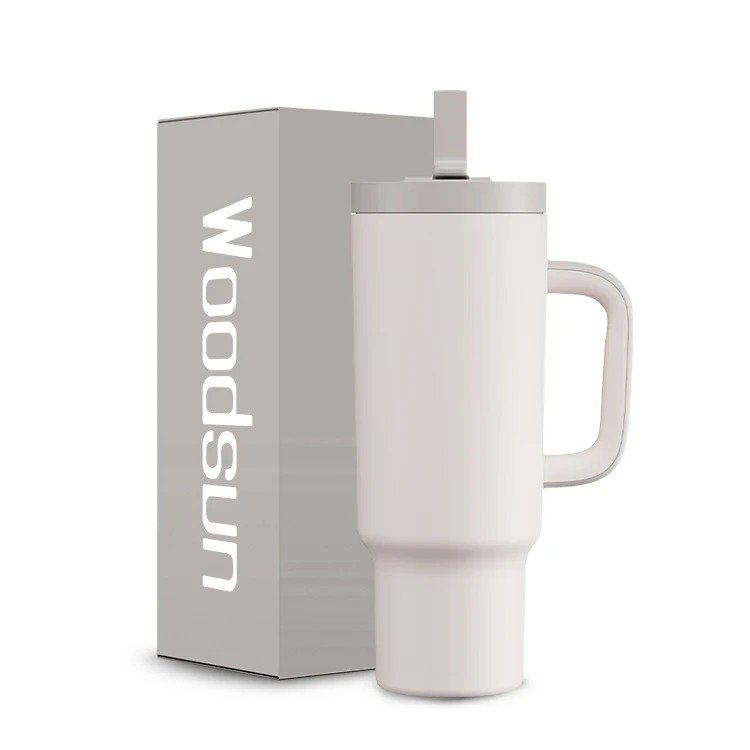
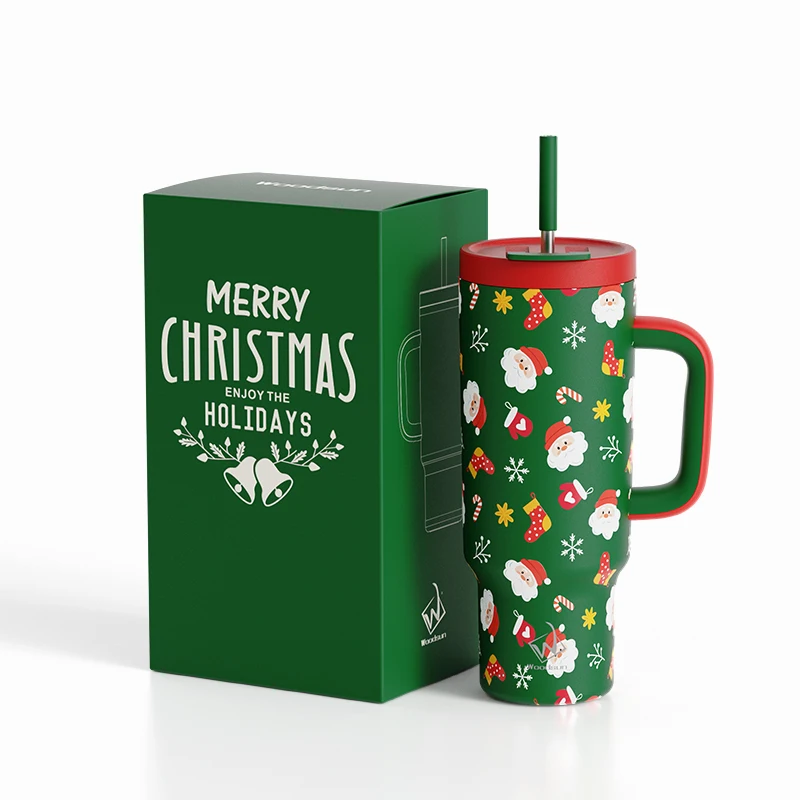
A water bottle supplier serves as the cornerstone of hydration solutions for businesses, organizations, and individuals seeking reliable beverage container sourcing. These specialized companies function as comprehensive providers that bridge the gap between manufacturing facilities and end consumers, offering extensive product catalogs that encompass various bottle types, materials, and specifications. Modern water bottle suppliers leverage advanced procurement networks to source high-quality containers from certified manufacturers worldwide, ensuring consistent product availability and competitive pricing structures. Their primary technological infrastructure includes sophisticated inventory management systems that track product specifications, quantities, and delivery schedules in real-time. Advanced quality control protocols utilize automated testing equipment to verify material safety standards, leak-proof performance, and durability metrics before products reach customers. Digital ordering platforms integrate seamlessly with customer relationship management systems, enabling streamlined procurement processes and automated reorder functionalities. Supply chain optimization technologies employ predictive analytics to forecast demand patterns and maintain optimal stock levels across multiple distribution centers. Applications for water bottle supplier services span numerous industries including corporate offices requiring branded promotional bottles, educational institutions needing bulk hydration solutions, fitness centers demanding durable sports bottles, and retail businesses seeking diverse inventory options. Healthcare facilities rely on suppliers for medical-grade containers, while event organizers depend on rapid delivery capabilities for large-scale gatherings. Environmental sustainability initiatives drive demand for eco-friendly alternatives, prompting suppliers to expand recyclable and biodegradable product lines. The supplier ecosystem incorporates customization services including logo printing, color matching, and specialized cap configurations to meet specific client requirements. Distribution networks encompass regional warehouses strategically positioned to minimize shipping costs and delivery timeframes, while customer support teams provide technical assistance and product recommendations based on intended usage scenarios and budget constraints.

New Product Recommendations

Working with a professional water bottle supplier delivers substantial cost savings through bulk purchasing power and established manufacturer relationships that individual buyers cannot access independently. These suppliers negotiate volume discounts and favorable payment terms, passing significant savings directly to customers while maintaining product quality standards. Streamlined procurement processes eliminate the complexity of managing multiple vendor relationships, as suppliers handle sourcing, quality verification, and logistics coordination under single-point accountability. Time efficiency improvements result from consolidated ordering systems that reduce administrative overhead and purchasing cycle duration from weeks to days. Quality assurance protocols implemented by reputable suppliers exceed industry standards through rigorous testing procedures that verify material safety, structural integrity, and performance specifications before shipment. Suppliers maintain comprehensive product knowledge databases that enable informed recommendations based on specific usage requirements, environmental conditions, and budget parameters. Inventory management becomes simplified as suppliers offer flexible ordering options including scheduled deliveries, automatic replenishment programs, and emergency stock availability for urgent requirements. Risk mitigation occurs through supplier warranty programs, product liability coverage, and return policies that protect customers from defective merchandise or specification mismatches. Customization capabilities allow businesses to create branded promotional items, specialized configurations, and unique design elements that enhance marketing effectiveness and brand recognition. Technical support services provide ongoing assistance with product selection, usage optimization, and troubleshooting guidance that extends product lifespan and performance. Environmental responsibility initiatives offered by progressive suppliers include recycling programs, sustainable material options, and carbon footprint reduction strategies that align with corporate sustainability goals. Market intelligence sharing keeps customers informed about industry trends, new product innovations, and regulatory changes affecting bottle specifications and safety requirements. Scalability advantages enable businesses to adjust order quantities based on seasonal demands, growth projections, or special events without minimum order constraints or penalty fees. Strategic partnership development fosters long-term relationships that yield preferential pricing, priority allocation during shortages, and collaborative product development opportunities tailored to specific customer needs.

Latest News

The Future, Reimagined.

11

Sep

The Future, Reimagined.

View More
Discover GuangDong WoodSun Housewares: A Leading Manufacturer of Premium Household Products

18

Sep

Discover GuangDong WoodSun Housewares: A Leading Manufacturer of Premium Household Products

View More

Get a Free Quote

Our representative will contact you soon.
Email
Mobile/WhatsApp
Name
Company Name
Message
0/1000

water bottle supplier

Comprehensive Product Portfolio Management

Comprehensive Product Portfolio Management

A leading water bottle supplier distinguishes itself through sophisticated product portfolio management that encompasses thousands of bottle variations across multiple categories, materials, and specifications. This comprehensive approach ensures customers access complete hydration solutions without managing multiple vendor relationships or compromising on quality standards. The portfolio management system integrates advanced categorization algorithms that organize products by material composition, capacity ranges, intended applications, and performance characteristics, enabling rapid product identification and selection. Detailed product databases contain specifications including dimensional measurements, weight parameters, temperature resistance ranges, and chemical compatibility information that supports informed purchasing decisions. Material expertise covers traditional plastics like polyethylene and polypropylene, advanced composites including Tritan and stainless steel, and emerging biodegradable alternatives that meet evolving environmental standards. Capacity options range from compact travel sizes suitable for children and seniors to large-volume containers designed for athletic training and industrial applications. Specialized categories address unique requirements including medical-grade bottles for healthcare environments, insulated containers for temperature-sensitive beverages, and collapsible designs for space-constrained storage situations. Quality certification documentation accompanies each product line, detailing compliance with food safety regulations, environmental standards, and international quality benchmarks that ensure global market acceptance. Regular portfolio updates incorporate emerging technologies, customer feedback, and market trend analysis to maintain competitive product offerings that anticipate future requirements. Customization integration allows seamless modification of standard products through color matching, logo application, and functional enhancements without disrupting existing inventory management systems. Technical specification databases provide engineering teams with precise measurements, material properties, and performance data necessary for equipment compatibility and design integration. Cross-referencing capabilities enable customers to identify equivalent products from alternative manufacturers, ensuring supply continuity during production disruptions or cost optimization initiatives. This comprehensive portfolio management approach transforms complex procurement decisions into streamlined selection processes that maximize value while minimizing administrative burden and procurement risks.
Advanced Quality Assurance Systems

Advanced Quality Assurance Systems

Revolutionary quality assurance systems implemented by professional water bottle suppliers establish new benchmarks for product reliability and safety verification that exceed traditional inspection methods. These sophisticated systems integrate multiple testing protocols, automated monitoring equipment, and continuous improvement methodologies that ensure consistent product performance across all manufacturing batches and supplier networks. Initial quality verification begins with raw material testing using spectroscopic analysis equipment that identifies chemical composition, purity levels, and contamination markers that could affect product safety or performance characteristics. Structural integrity testing employs hydraulic pressure chambers, drop-test apparatus, and thermal cycling equipment that simulate extreme usage conditions and verify durability specifications under stress scenarios. Leak detection systems utilize pressurized testing chambers equipped with sensitive monitoring devices that identify microscopic seal failures invisible to standard visual inspections. Surface finish analysis incorporates optical scanning technology that measures texture consistency, color uniformity, and dimensional accuracy to ensure aesthetic standards meet customer expectations and brand requirements. Chemical migration testing evaluates potential contaminant transfer from container materials to stored liquids using advanced chromatography equipment that detects trace-level substances below regulatory thresholds. Temperature resistance verification subjects samples to extreme hot and cold conditions while monitoring structural stability, seal integrity, and material flexibility to validate performance claims. Batch traceability systems maintain comprehensive records linking each product unit to specific manufacturing dates, material lots, and quality test results, enabling rapid identification and isolation of problematic inventory. Statistical process control methods analyze quality metrics trends to identify potential issues before they affect customer shipments, implementing corrective actions that prevent quality degradation. Third-party certification programs involve independent testing laboratories that validate internal quality results and provide objective verification of compliance with international standards. Continuous monitoring protocols track quality performance indicators across supplier networks, identifying top-performing manufacturers and flagging potential quality risks before they impact customer satisfaction. Customer feedback integration systems collect and analyze product performance data from end-users, incorporating real-world usage insights into quality improvement initiatives that enhance future product developments and supplier selection criteria.
Sustainable Supply Chain Innovation

Sustainable Supply Chain Innovation

Progressive water bottle suppliers lead environmental stewardship through innovative sustainable supply chain practices that minimize ecological impact while maintaining operational efficiency and cost effectiveness. These comprehensive sustainability initiatives address every aspect of the supply chain from raw material sourcing through end-of-life recycling programs, creating circular economy models that benefit businesses, communities, and environmental conservation efforts. Sustainable material sourcing partnerships connect suppliers with manufacturers utilizing recycled content, bio-based polymers, and rapidly renewable resources that reduce dependence on virgin petroleum-based materials. Post-consumer recycled plastic integration reaches percentages exceeding industry standards while maintaining product quality and safety requirements through advanced purification and reprocessing technologies. Carbon footprint reduction strategies implement optimized transportation routing, consolidated shipments, and regional distribution networks that minimize fuel consumption and greenhouse gas emissions associated with product delivery. Packaging optimization programs eliminate unnecessary materials, reduce package dimensions, and utilize biodegradable protective materials that decrease waste generation throughout the distribution process. Energy-efficient warehouse operations incorporate renewable energy systems, LED lighting technologies, and automated inventory management that reduces operational energy consumption while maintaining service quality standards. Water conservation initiatives at manufacturing facilities implement closed-loop systems, wastewater treatment technologies, and efficient cleaning processes that minimize freshwater usage during production operations. Supplier sustainability certification programs evaluate manufacturing partners based on environmental performance metrics, waste reduction achievements, and renewable energy adoption that ensures supply chain alignment with sustainability objectives. Product lifecycle assessment services help customers understand environmental impacts associated with bottle selection, usage patterns, and disposal methods, enabling informed decisions that support sustainability goals. Take-back programs facilitate proper recycling of used bottles through collection networks, processing partnerships, and material recovery systems that prevent waste stream contamination. Innovation partnerships with material science companies develop next-generation sustainable materials including plant-based polymers, compostable additives, and enhanced recyclability formulations that advance environmental performance. Sustainability reporting systems provide transparent documentation of environmental achievements, improvement targets, and comparative performance metrics that support corporate sustainability reporting requirements and stakeholder communications regarding environmental responsibility initiatives.

Get a Free Quote

Our representative will contact you soon.
Email
Mobile/WhatsApp
Name
Company Name
Message
0/1000