doublewall insulated water bottles
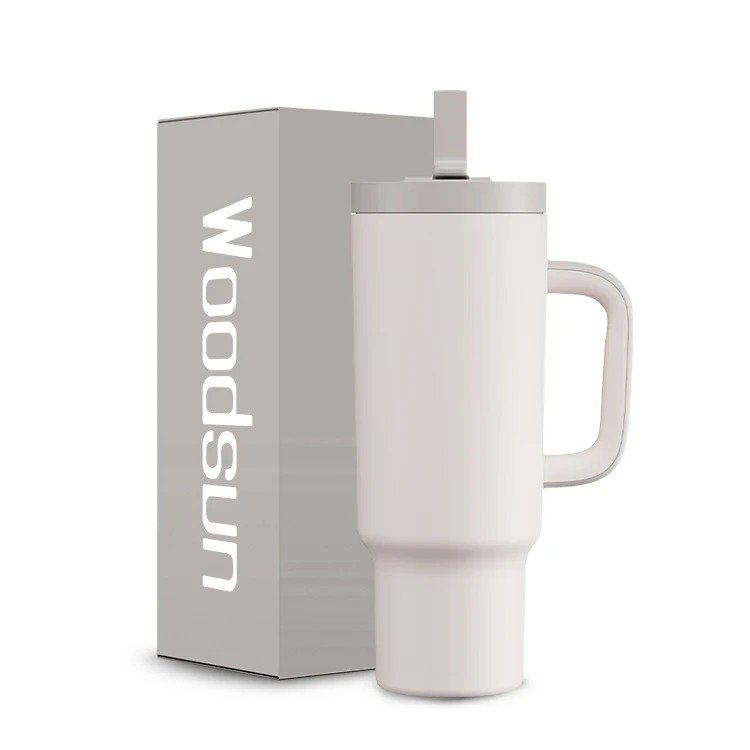
Doublewall insulated water bottles represent a modern solution for keeping beverages at desired temperatures throughout the day. These innovative containers feature a dual-wall construction that creates an insulating air gap between two layers, preventing heat transfer and maintaining beverage temperature for extended periods. Doublewall insulated water bottles are engineered to keep cold drinks refreshing for up to 24 hours or hot beverages steaming for approximately 12 hours, making them ideal for various lifestyles and activities.
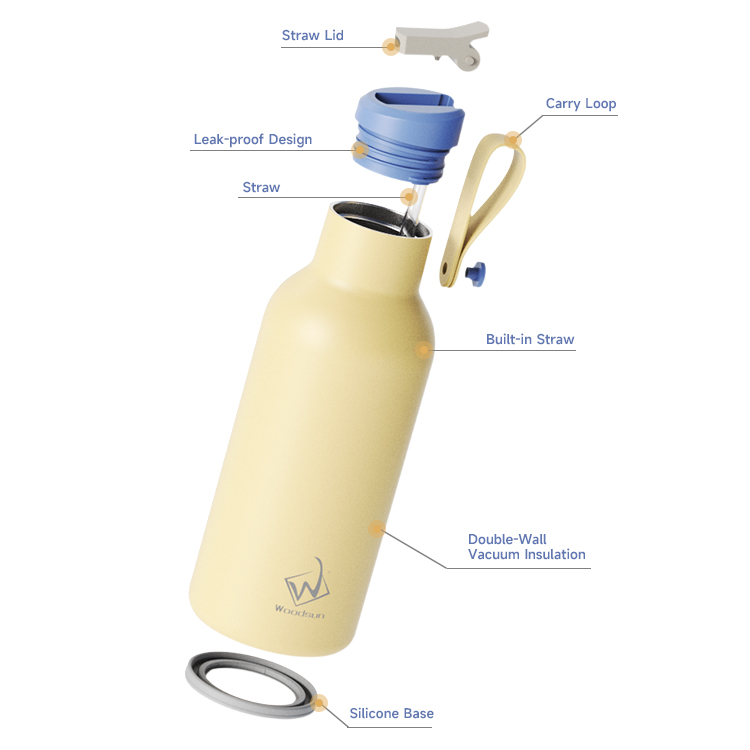
The primary function of doublewall insulated water bottles is temperature retention through advanced thermal technology. The inner wall contacts your beverage while the outer wall protects against external temperature fluctuations. This design eliminates condensation on the exterior, keeping your hands dry and bag contents protected. Doublewall insulated water bottles incorporate premium materials such as stainless steel, which resists corrosion and maintains structural integrity over years of use.
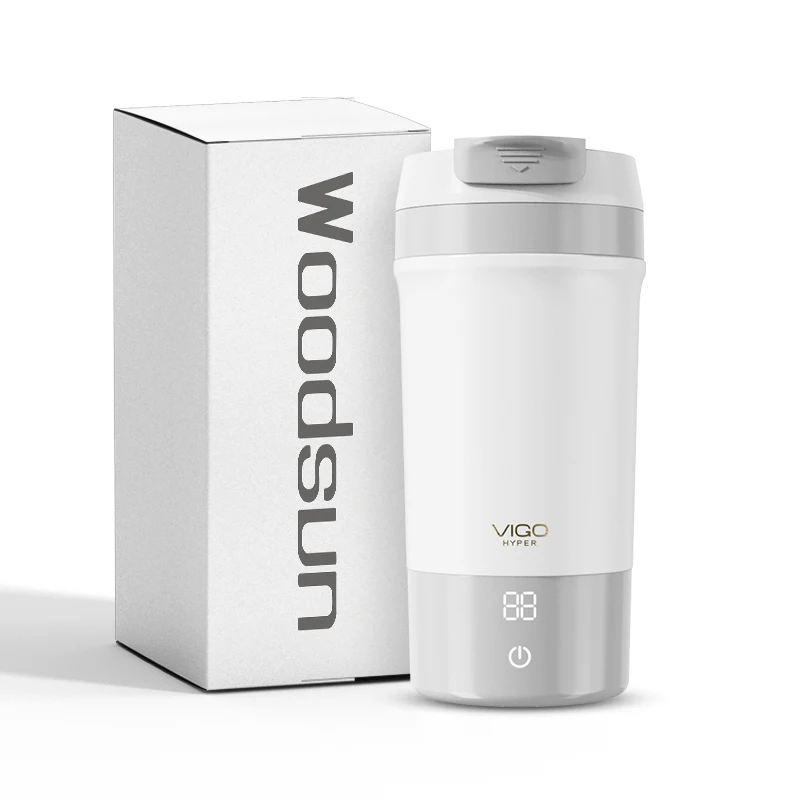
Technologically, these bottles utilize vacuum insulation or foam barriers within the double-wall space to maximize thermal efficiency. Many doublewall insulated water bottles feature anti-slip grips, ergonomic designs, and secure lids that prevent leaks. Advanced models include temperature displays, measurement markings, and compatibility with various carrying accessories. Applications span from fitness enthusiasts and outdoor adventurers to office workers and travelers. Whether you're hiking mountain trails, commuting to work, or enjoying sports activities, doublewall insulated water bottles deliver consistent performance and reliability for maintaining your beverage preferences.
 EN
EN