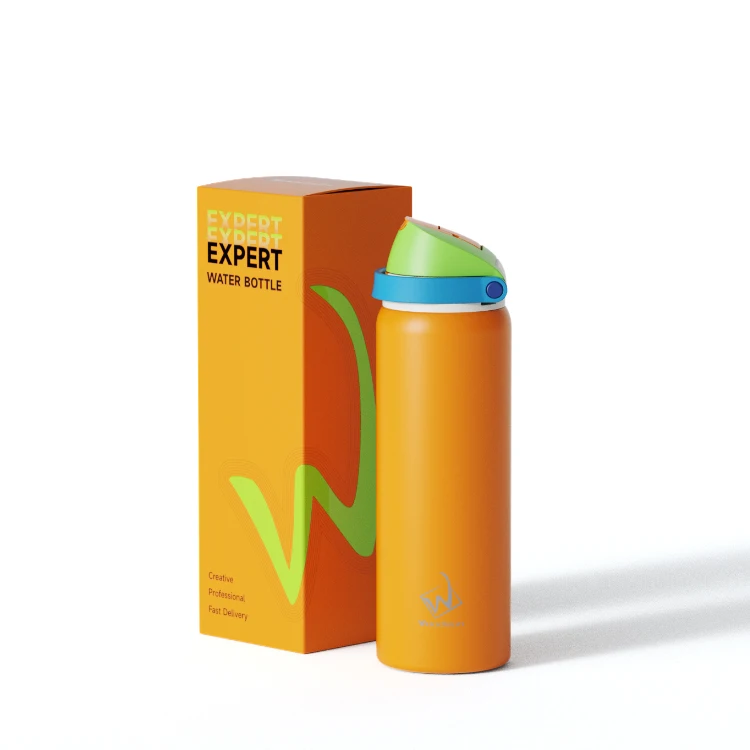
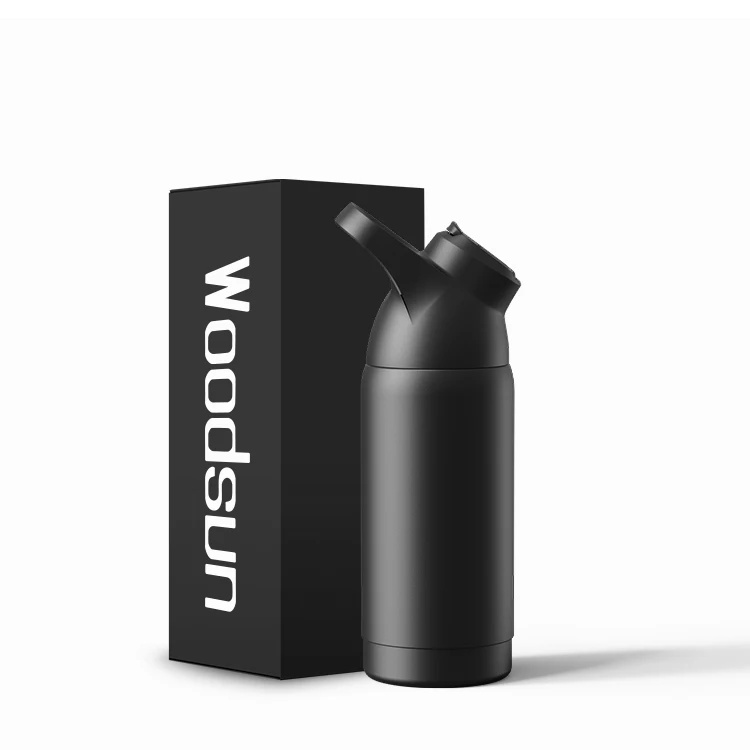
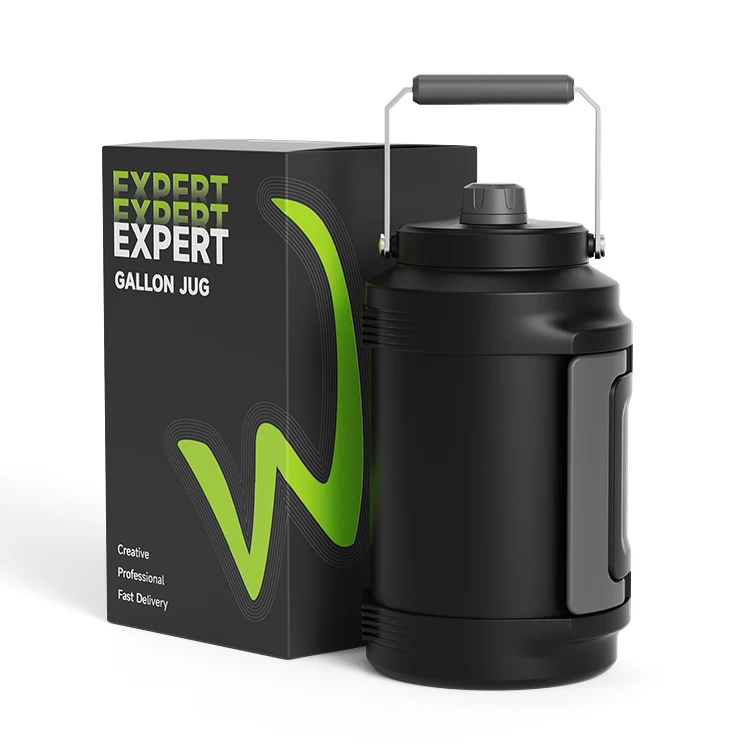
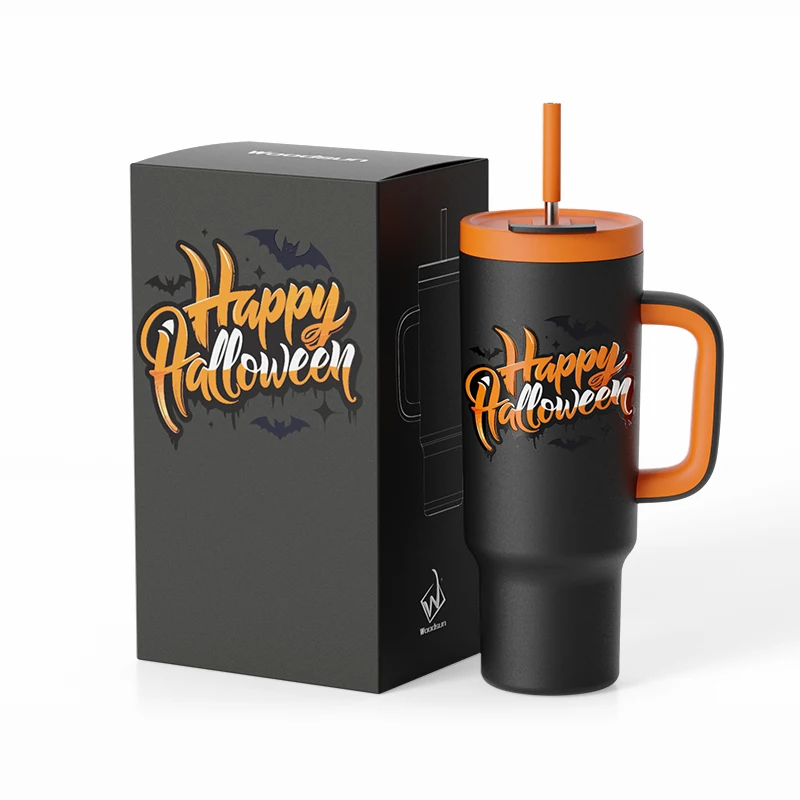
stainless steel drinkware
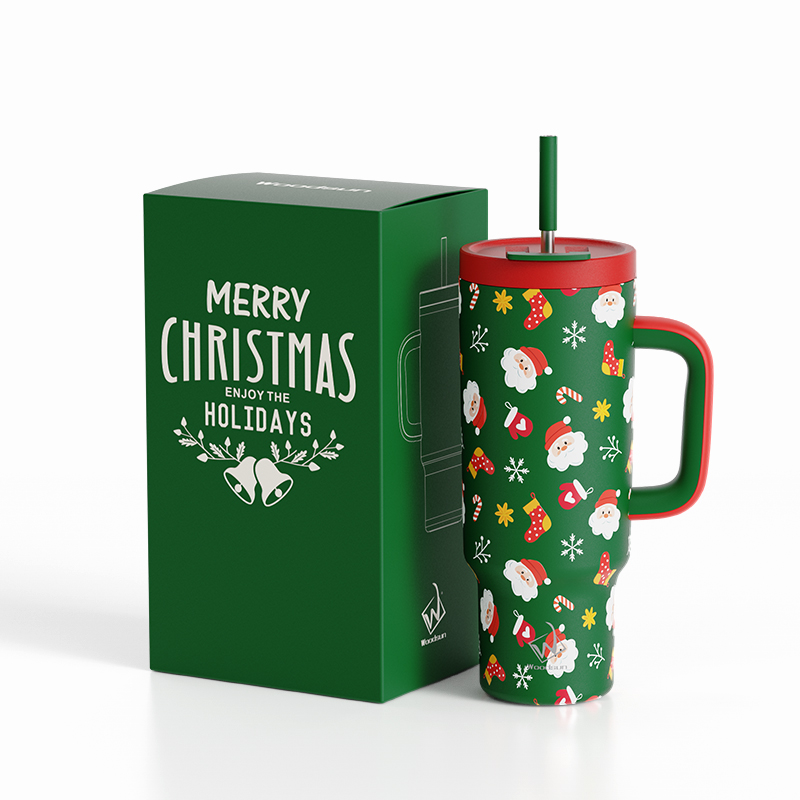
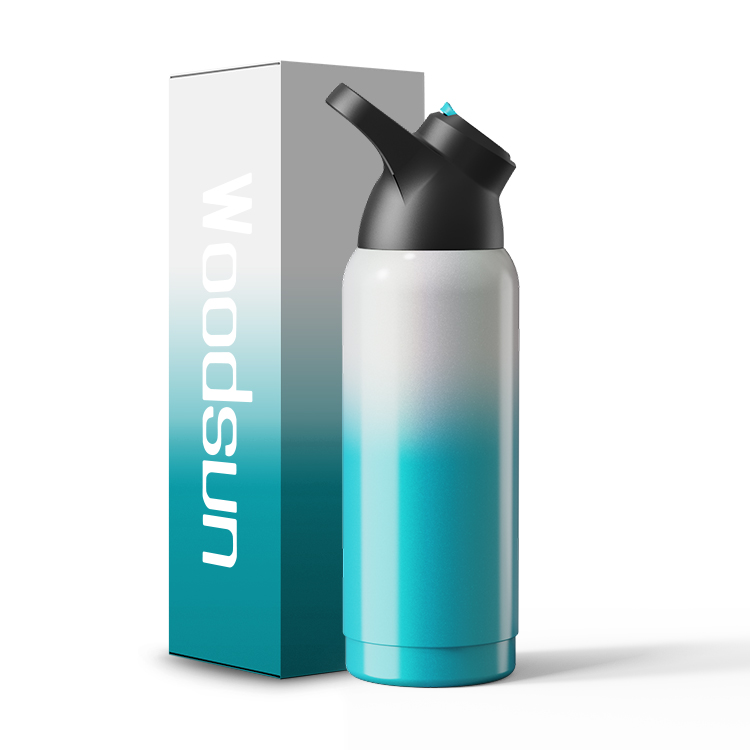
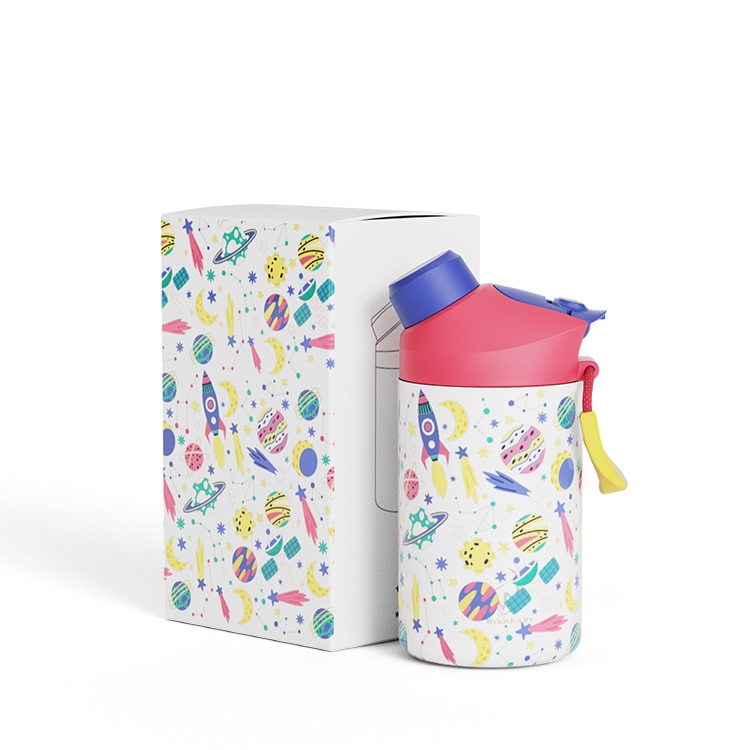
Stainless steel drinkware represents a modern solution for beverage consumption, combining durability with contemporary design. This specialized drinkware is engineered to maintain beverage temperature while resisting corrosion and degradation. Stainless steel drinkware serves multiple functions, including insulating hot and cold drinks, preventing flavor alteration, and providing long-lasting performance. The primary technological features of stainless steel drinkware include double-wall insulation that maintains optimal drink temperatures for extended periods, non-reactive surfaces that preserve beverage taste, and advanced sealing mechanisms that prevent leakage. Stainless steel drinkware utilizes food-grade materials meeting international safety standards, ensuring health and environmental consciousness. The construction of stainless steel drinkware employs vacuum insulation technology, creating an air gap between interior and exterior walls. Applications for stainless steel drinkware span diverse settings. Professional environments benefit from stainless steel drinkware's durability in fast-paced operations. Outdoor enthusiasts rely on stainless steel drinkware for camping, hiking, and travel. Students and professionals use stainless steel drinkware daily for workplace hydration. Athletes appreciate stainless steel drinkware's ability to keep beverages at desired temperatures during training and competition. Families choose stainless steel drinkware for household use, recognizing its longevity and cost-effectiveness. Healthcare facilities implement stainless steel drinkware in patient care settings. The versatility of stainless steel drinkware makes it indispensable across lifestyle segments and industries.
 EN
EN