زجاجة شرب معزولة مع قشة
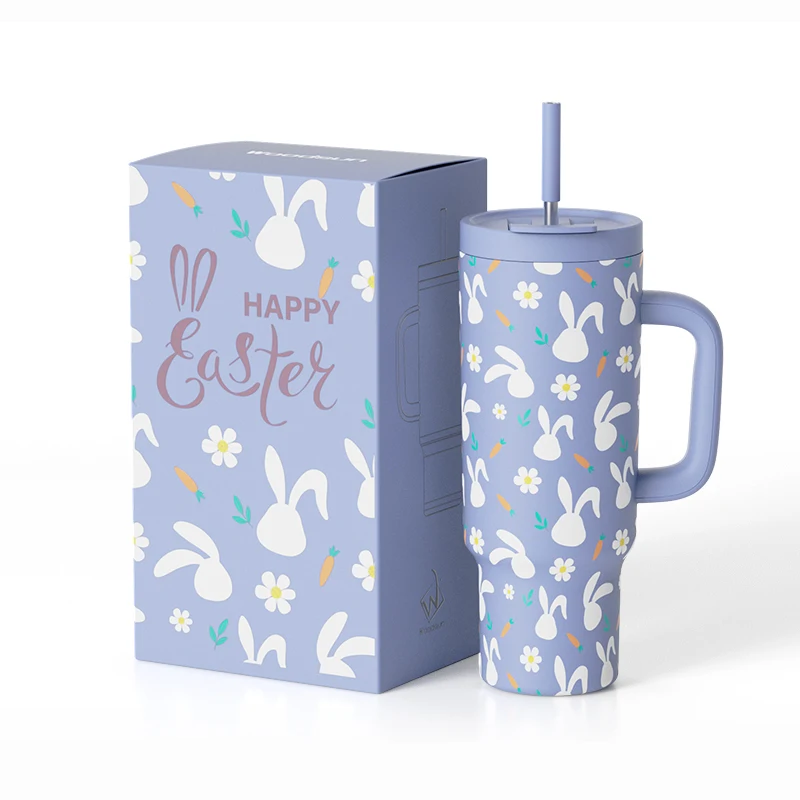
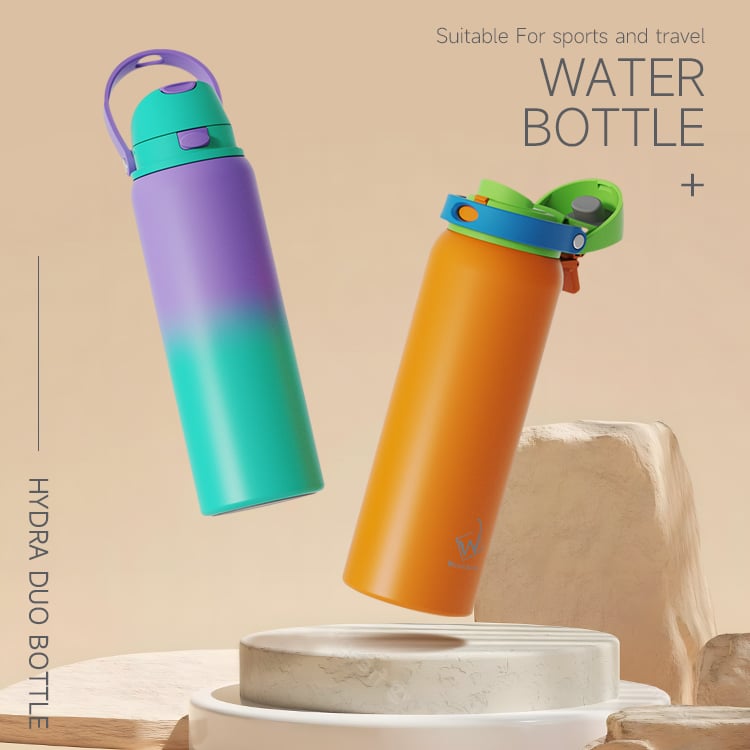
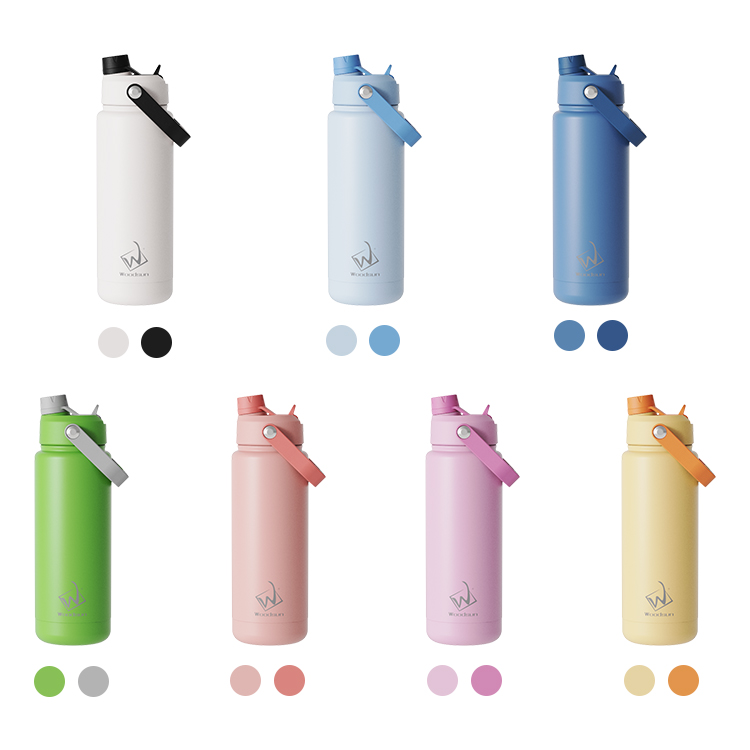
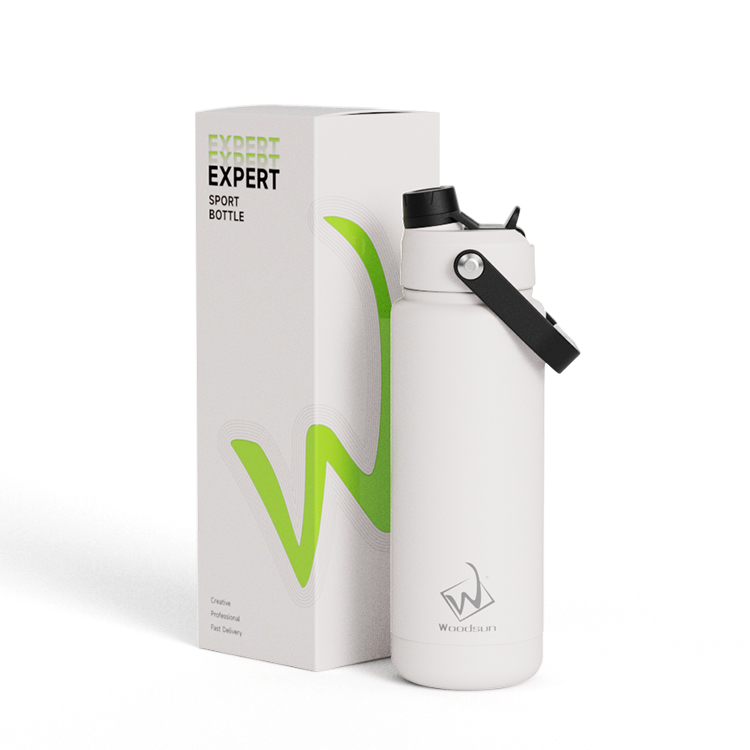
زجاجة شرب معزولة مزودة بمصّاصة هي حلٌّ عصريٌّ للترطيب مصمَّم للحفاظ على المشروبات عند درجات الحرارة المثلى لفترات طويلة. وتجمع هذه الحاوية المبتكرة بين تكنولوجيا العزل الفائقة وسهولة الوصول إلى المصّاصة، ما يجعلها رفيقًا أساسيًّا للأنشطة اليومية والمغامرات الخارجية والبيئات المهنية. وتتميَّز زجاجة الشرب المعزولة ذات المصّاصة بعزل فراغي ذي جدارين يحافظ على المشروبات الباردة باردة جدًّا لمدة تصل إلى ٢٤ ساعة، أو يحافظ على المشروبات الساخنة دافئةً لمدة تقارب ١٢ ساعة. وتُنشئ هذه التكنولوجيا الحرارية المتقدمة حاجزًا محكم الإغلاق من الهواء بين الجدارين الداخلي والخارجي، ما يمنع انتقال الحرارة وتكوُّن التكثُّف على السطح الخارجي. ومن أبرز الميزات التكنولوجية المدمجة فيها هي التصنيع المتين من الفولاذ stainless steel الذي يقاوم الصدأ والتآكل، ويضمن أداءً طويل الأمد. كما أن نظام المصّاصة المدمج يلغي الحاجة إلى إكسسوارات منفصلة، ويعزِّز شربًا مريحًا من الناحية الإنجونومية. وبالفعل، تتضمَّن العديد من الموديلات آليات إغلاق محكمة ضد التسريب ومكونات قابلة للإزالة لمصّاصة سهلة التنظيف والصيانة. وتُستخدم زجاجة الشرب المعزولة ذات المصّاصة في تطبيقات متعددة تشمل مختلف سيناريوهات نمط الحياة: فالرياضيون يستخدمونها أثناء جلسات التمارين الرياضية والأنشطة الرياضية؛ ويقدِّر الموظفون في المكاتب قدرتها على الحفاظ على درجة الحرارة خلال أيام العمل الطويلة؛ ويعتمد عليها المسافرون في الرحلات البرية والمخيمات؛ كما يجد الآباء فيها أداة لا غنى عنها عند تعبئة الحقائب المدرسية والعلب الخاصة بالوجبات. وتمثل زجاجة الشرب المعزولة ذات المصّاصة مزيجًا مثاليًّا بين الوظيفية والراحة. وتتراوح سعتها عادةً بين ١٦ و٤٠ أونصة لتلبية احتياجات الترطيب المختلفة. وهي متوفرة بعدة ألوان وتصاميم، ما يجعل هذا الوعاء العملي للمشروبات مناسبًا لكلٍّ من البيئات المهنية والغير رسمية، مع تقديم أداءٍ ثابتٍ بغض النظر عن الظروف البيئية.


 EN
EN